-Photoroom.avif)


Plumbing Layout in Construction: Water, Waste, and Storm System Field Execution
See how plumbing layout turns coordinated models into accurate field locations for water, sanitary, vent, storm, penetrations, and fixture rough-ins.

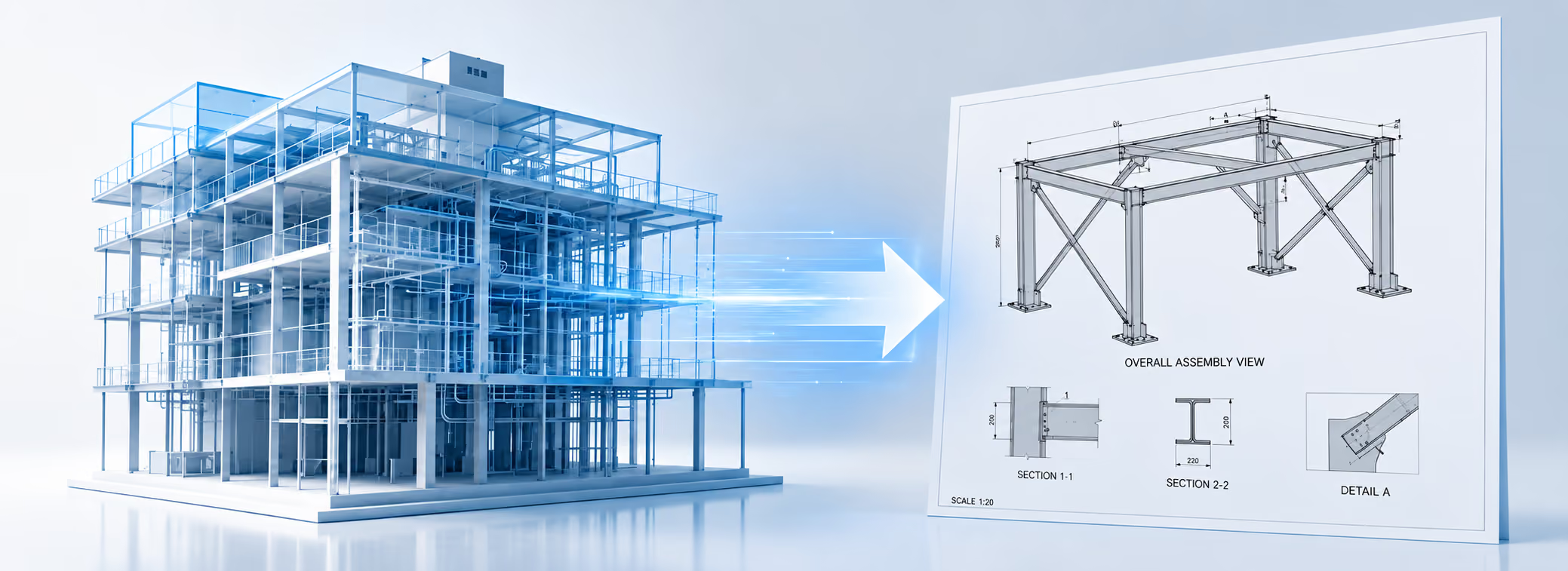
In building MEP projects, plumbing layout converts plumbing design drawings into exact field locations for water, waste, and storm systems. It defines where pipes run, how fixtures connect, and how gravity-based systems slope through the building.
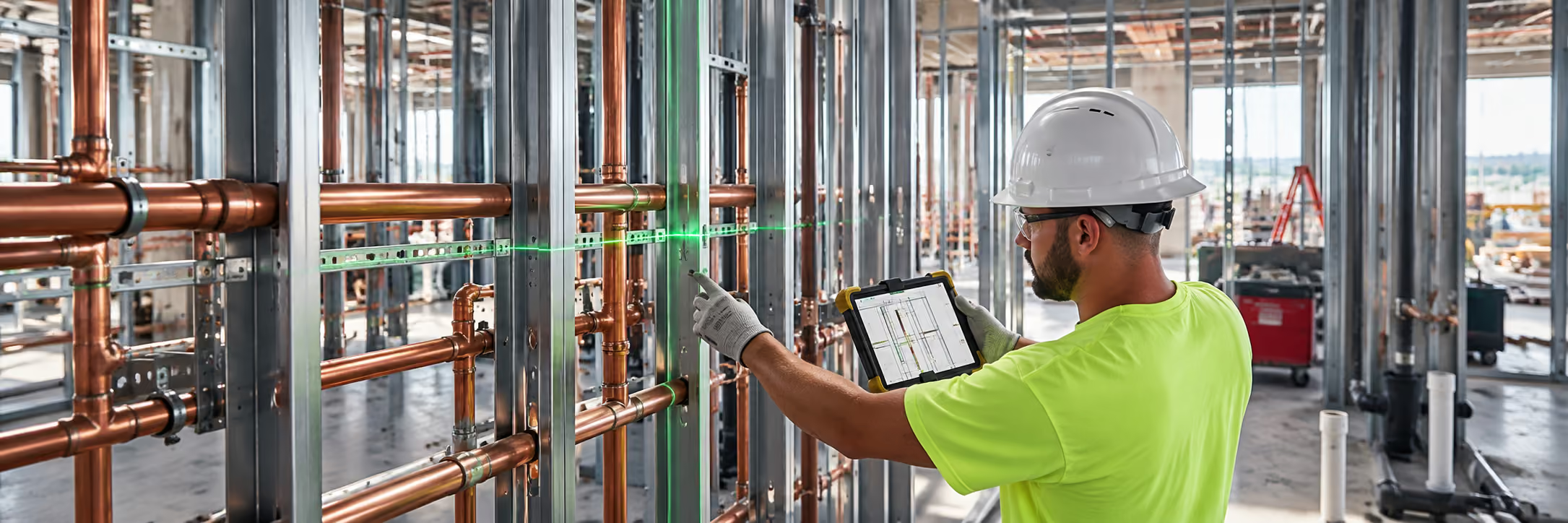
Because plumbing relies heavily on elevation, slope, and penetration accuracy, layout errors quickly become structural conflicts or inspection failures — which is why BIM-to-field layout tools that project pipe routing directly from coordinated models are critical for plumbing contractors.
What Plumbing Layout Covers in MEP Construction
Domestic Water Layout — Hot and Cold Water Routing
Defines routing of hot and cold water systems:
- Pipe paths above ceilings and in walls
- Riser locations between floors
- Fixture connection points
- Valve locations and access panels
- Pipe supports and hangers
Water layout must stay coordinated with HVAC and electrical to avoid congested ceiling spaces, a coordination challenge MEP contractors manage daily on commercial projects
Sanitary & Vent Layout — Gravity-Driven Drainage Systems
Controls gravity-driven drainage systems:
- Waste pipe routing and slopes
- Vent stacks and offsets
- Cleanouts and inspection points
- Slab and wall penetrations
- Vertical riser coordination
Because sanitary systems depend on slope, late structural conflicts often require expensive redesigns if layout isn’t validated early.
Storm Drainage Layout — Roof and Floor Drainage Coordination
Defines roof and floor drainage:
- Roof drain locations
- Horizontal storm piping
- Vertical leaders
- Floor drains and tie-ins
Storm layout must align with roof geometry and structural framing, making early coordination critical.
Fixture & Rough-In Layout — Exact Installation Positioning
Sets exact installation points for:
- Toilets, sinks, showers, and floor drains
- Wall carrier locations
- Fixture heights and clearances
- Sleeve and embed positions
Even small layout inaccuracies here show up immediately in finished spaces.
In simple terms, plumbing layout is where pipe routing, slopes, and penetrations are locked in before concrete is poured or walls are closed.
Modern BIM coordination and digital layout workflows allow plumbing teams to validate routing against real site conditions, reducing core drilling, re-sloping, and last-minute field adjustments.
Conclusion
For plumbing contractors evaluating layout precision on MEP projects, get in touch directly to discuss how LightYX supports field execution workflows.
.avif)